

Thinking like a captain
A good captain does not simply pick the most talented players. They build a side where every position is covered, everyone understands their job and the team can handle a bad day. The same thinking applies surprisingly well to a party in a Classic-style dungeon.
If you coordinate a friends group or a small guild, you are the captain whether or not you wanted the job. Your decisions about who plays what, and when, shape how enjoyable the next few months are.
This guide walks through party roles, the squad planning that comes before the first dungeon and where a shortcut might sensibly sit in the plan.
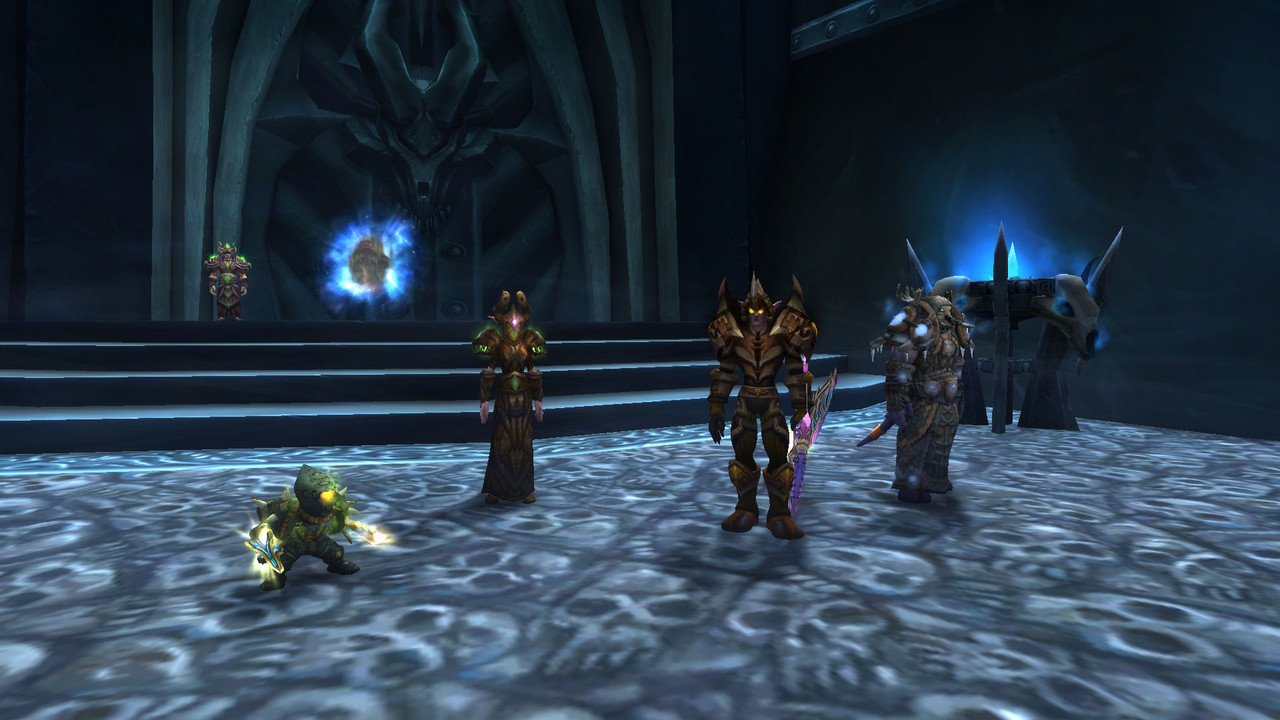
Know your positions
Most group content rests on three jobs. The tank holds the attention of the enemies and keeps them facing away from the others. The healer keeps people alive. The damage dealers finish the enemies quickly enough that the first two jobs stay manageable.
The tank
Calm under pressure and comfortable leading pulls. This player sets the pace of a run, so patience is valuable.
The healer
Reads the situation, manages resources and communicates when they need a pause. Good healers watch more than health bars.
The damage dealers
Control their output, follow marks and interrupts, and avoid pulling extra enemies. The best ones make the other two roles look easy.
Build the squad before the season
Before anyone argues about gear, check the squad sheet. Do you have at least one reliable player in each role? Do you have a backup for each, because someone will always be ill, travelling or busy? A squad with a single tank is a squad that cancels when that player misses a night.
List your members, their preferred roles, their rough available evenings and their current progress. A shared spreadsheet is more than enough. Patterns appear quickly: perhaps there are plenty of damage dealers and a missing healer, or everyone is free on one night only.
Then talk. Ask people what they want to play rather than assigning roles by decree. Players who volunteer for a position tend to stay committed to it.
Fixtures: scheduling a levelling calendar
Treat group sessions like fixtures. Pick regular times and protect them. A weekly slot that everyone can plan around beats a loose promise to play together sometime.
Agree on the objective of each session in advance: a particular dungeon, a quest line or a profession errand. Start on time, take a short break midway and finish with a quick review of what worked. A few minutes of reflection stops the same mistakes from repeating.
Keep a reserve list of people who can fill in, so a missing member does not end the evening.
Where a level boost fits the squad plan
Suppose most of your side is ready, but one or two members are far behind and cannot make the evenings needed to catch up. Captains face this regularly. One answer is patience and doing lower-level runs to help them along. Another is to consider a WoW Forever Level Boost, an outside option some players use to close the gap.
Treat it the way you would treat any squad decision: ask the player themselves, never push it, and make sure they understand the trade-offs. A player who skips the climb may be less practised in their role, so plan some gentle, forgiving sessions to help them settle in.
If the player prefers to keep climbing alongside the rest, honour that. The team is there to serve the people in it.

Be honest about the risks
A captain who ignores risk is a poor captain. Using an outside provider puts the account in danger and may breach what the publisher allows, and any penalty lands on the account holder. That is a personal decision for each player, and nobody on the team should feel pressured to take it.
Encourage everyone to read the current rules themselves. Make it clear that choosing the slower route will never count against anyone in the group. No service can promise how things will end, so keep expectations modest.
Preparing the squad for the first real test
When the squad is assembled, run through a short checklist before the first challenging content.
- Confirm everyone knows the loot rules and the order of rolls.
- Check that consumables are stocked, including food and basic potions.
- Make sure professions are levelled to useful points for repairs and crafting.
- Agree on simple signals for pulls, pauses and retreats.
- Decide who leads in a crisis, so there is one voice and not four.
Practise easier content first. A wipe in a forgiving dungeon is a lesson, whereas a wipe in a demanding one is a morale problem.
Keeping the team together
Squads fail more often from friction than from poor play. Resolve disputes early and privately. Share the spotlight. Celebrate small wins, such as a clean run or a first successful boss, and treat mistakes as shared problems rather than personal faults.
Check in on how people are feeling about the pace. Someone who is quietly overwhelmed rarely says so unprompted. A short, friendly message can save a member.
In the end the aim is a team that wants to turn up. Roles, plans and shortcuts are only tools for that.
Reviewing the season
After a month or so, sit down with the squad and look back. Which sessions went well and why? Who is thriving in their role, and who needs more support? Did the schedule suit everyone, or is one evening always a struggle?
Write down two things to keep and two to change. Small, specific adjustments hold up better than sweeping reforms. If a member is leaning toward a shortcut or has chosen the slow road, check that the choice still suits them.
Recruiting and rotating
Squads shift over time. Keep an informal list of friendly players who might join, and invite them to a trial evening before asking for a commitment. Rotate leadership roles during easier content so that more than one person can run a pull or make a call. A team with several capable voices is far harder to break than one that depends on a single leader.