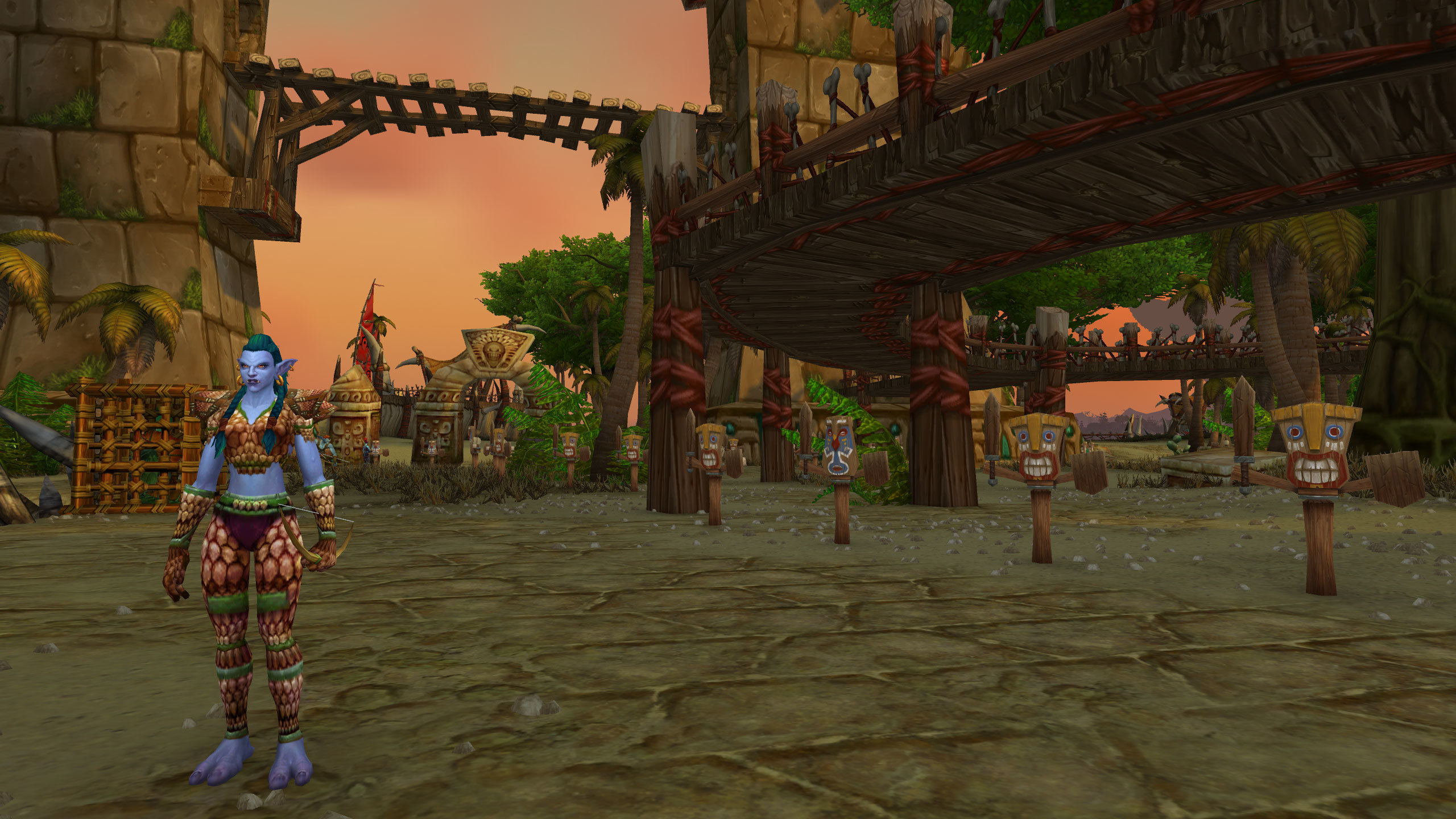
For nearly twenty years, the rivalry between the Horde and the Alliance has defined the heart of Azeroth. But beyond the banners and battlefields, their conflicts are stories of identity—of honor, revenge, and survival. Every expansion has reinterpreted their feud, from open wars to uneasy truces, shaping both lore and player loyalty. To choose a faction is to choose a philosophy, one that still ignites debate across realms and generations.
This article revisits the greatest rivalries in WoW’s history and the moments that turned them into legends of loyalty and loss.
The First War: Pride and Survival
The conflict between the Horde and Alliance began not in hatred, but in desperation. The orcs fled a dying world; the humans defended a living one. Their collision in the First and Second Wars forged animosity that outlived generations. The Horde’s thirst for freedom clashed with the Alliance’s sense of order. Each believed themselves righteous, and both were right in their own way. That moral duality would become the cornerstone of Warcraft’s storytelling.
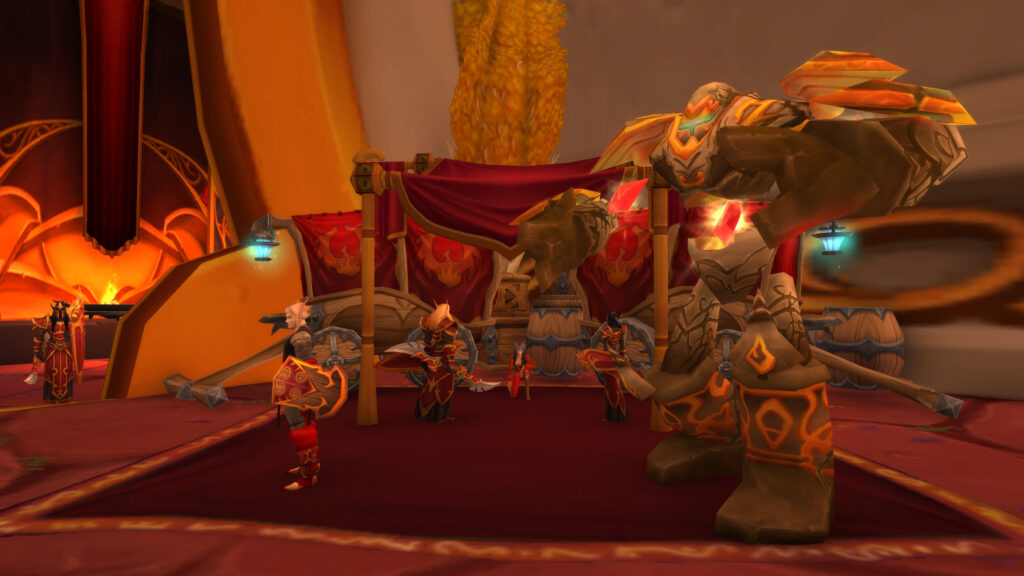
The rivalry began as war—but evolved into ideology.
Stormwind vs. Orgrimmar: The Capitals of Conviction
Stormwind and Orgrimmar symbolize their factions’ souls. Stormwind’s marble towers and hymnal music reflect unity, civilization, and faith. Orgrimmar’s red cliffs and war drums embody strength, survival, and tribal pride. These cities aren’t just hubs—they’re philosophies made physical. Every new player’s first step into them is a declaration of allegiance, whether they realize it or not.
In architecture alone, the war continues.
The Blood Feuds That Defined Generations
Some rivalries transcend the factions—they become personal. The hatred between characters like Jaina Proudmoore and Thrall or Sylvanas Windrunner and Anduin Wrynn shaped political and emotional history alike. Each conflict carries echoes of misunderstanding and grief, blurring the line between vengeance and justice. These feuds remind players that in Azeroth, peace is never permanent—it’s simply an intermission between lessons.
In every duel of leaders lies the pain of nations.
- Thrall vs. Garrosh Hellscream: Tradition versus ambition, honor versus hubris.
- Jaina Proudmoore vs. Horde Leadership: A cycle of forgiveness and betrayal that defined two wars.
- Anduin Wrynn vs. Sylvanas Windrunner: Youthful morality clashing with centuries of vengeance.
- Night Elves vs. Forsaken: The embodiment of nature against decay.
- Blood Elves vs. Humans: Distrust born of survival and pride.
The Wars That Shaped Azeroth
Each expansion reignited the faction flame in new forms. Mists of Pandaria turned it into tragedy, showing how hatred consumes its champions. Battle for Azeroth recast it as political theater, highlighting internal fractures within both factions. These wars were not just about land or resources—they were mirrors reflecting the consequences of division. Through conflict, players confronted questions of loyalty and morality that extended beyond the game.
Every war ends—but the wounds always remain.
The Modern Era: From Rivalry to Reconciliation
In Dragonflight and The War Within, the barriers between Horde and Alliance continue to erode. Cross-faction grouping and shared threats have transformed enemies into allies of necessity. Yet even in cooperation, identity persists. The pride of belonging to a faction remains powerful, not as a reason to fight, but as a heritage to honor. Rivalry no longer divides—it defines.
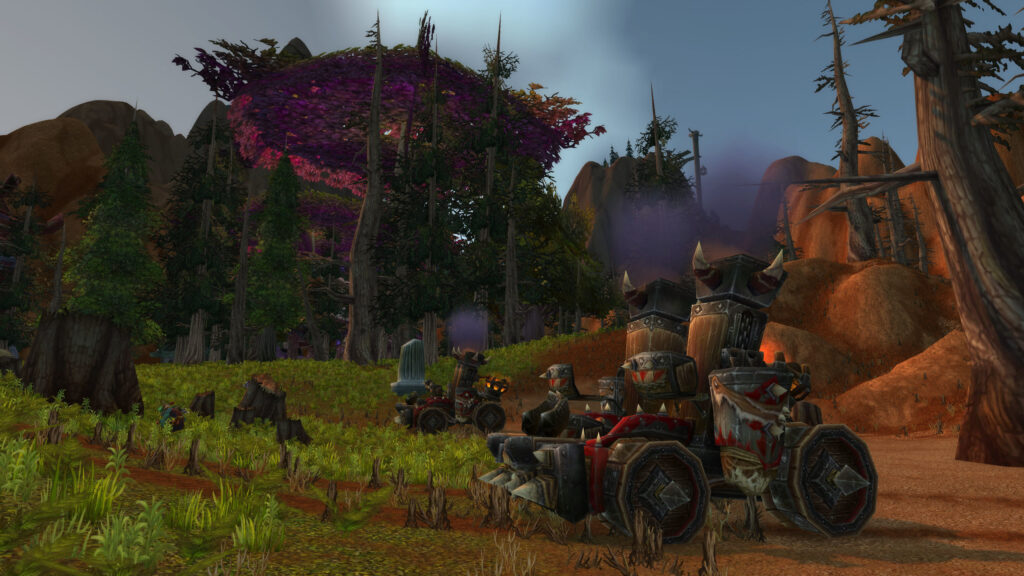
The war has quieted, but the spirit remains unbroken.
The Cultural Impact of Faction Loyalty
Faction identity extends beyond lore—it shapes communities, memes, and even real-world friendships. Players identify with their chosen banner the way fans identify with sports teams. Guilds, fan art, and events celebrate these allegiances with playful pride. Even cross-faction systems can’t erase the emotional resonance of red versus blue. It’s nostalgia, pride, and history woven into the very fabric of the game.
Faction loyalty is no longer about conflict—it’s about belonging.
Conclusion
The Horde and Alliance may no longer clash as they once did, but their stories remain the spine of Warcraft’s legacy. Through decades of victories, betrayals, and uneasy truces, they’ve taught players that heroism isn’t defined by color, but by conviction. The greatest rivalries endure not because of hatred—but because of the respect born from it. After all these years, every player still fights for something larger than pixels.
Because in Azeroth, the war never truly ends—it just finds new meaning.