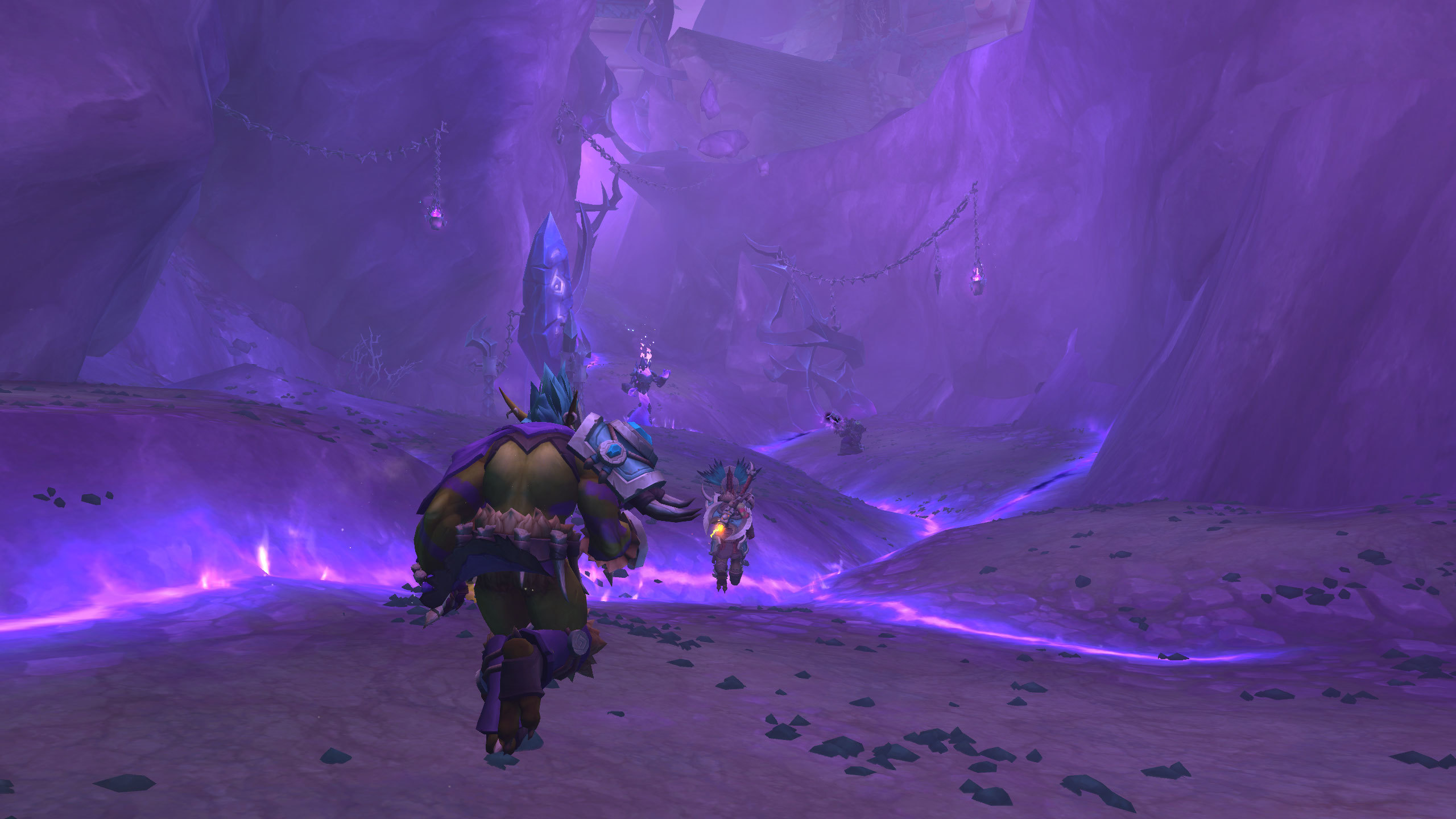
Mastering “Stops” in World of Warcraft represents a distinct tactical progression path that separates high-level raiders from the average player. In the modern dungeon meta, simply interrupting is not enough; many dangerous mob abilities are “un-kickable” and must be disrupted using hard crowd control (CC) like stuns, knocks, or disorientates. For players aiming to survive high-key pulls and protect their group from lethal mechanics, developing a “Stops-First” playbook forms a reliable framework for mastery. It is about understanding that a well-timed stun is the strongest defensive cooldown in the game.
This guide examines how to approach enemy disruption efficiently, focusing on the logic of “Cast-Priority,” the mechanics of diminishing returns, and the strategic importance of “Ghost-Stops” to ensure your group takes zero preventable damage.
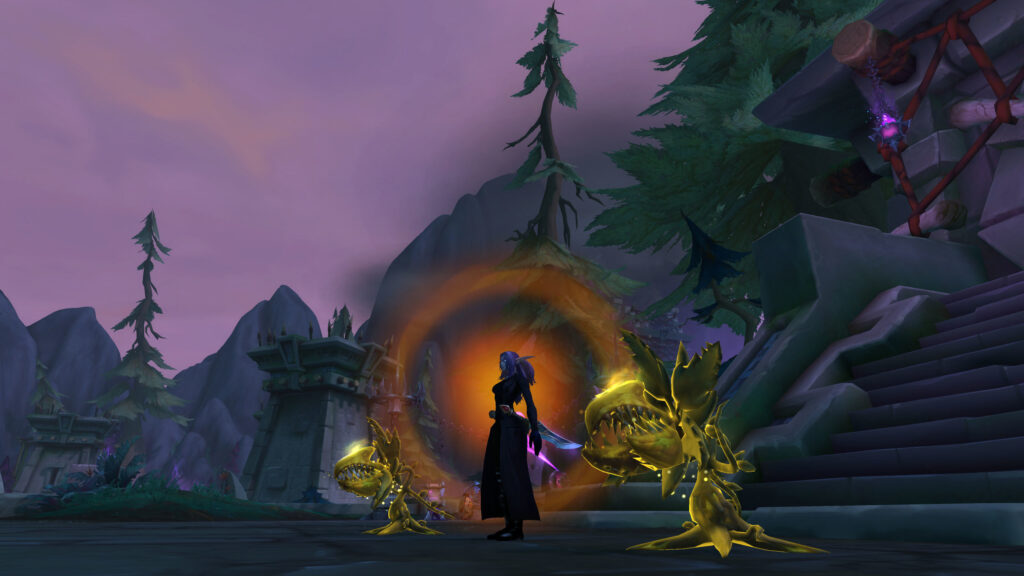
The Logic of Mechanical Disruption
A “Stop” is any ability that forces an enemy to stop their current action without using a dedicated interrupt spell. This is a deterministic counter to “Grey-Border” casts—spells that are immune to regular kicks but can be cancelled by a stun or knockback. If a mob is casting a massive AoE fear or a tank-buster that cannot be interrupted, a “Stop” is your only salvation. Mastery of this system requires you to view every stun in your toolkit as a “Global Interrupt” that can save the entire group from a wipe.
Core Tactics: Stacking Stops and Dr Awareness
To use your CC effectively without wasting resources, you must utilize these specific tactical habits:
- The “Late-Stop” Rule: Do not stun a mob at the start of its cast. Wait until the cast bar is at 80-90%. This forces the enemy to waste the maximum amount of time “doing nothing” before their spell is cancelled, effectively reducing their total damage output for the duration of the fight.
- DR (Diminishing Returns) Management: Be aware that every subsequent stun on the same target lasts for 50% less time. Coordinate your stops so you don’t “waste” a long-duration stun on a target that is already immune. Use knocks or silences as “gap-fillers” when stuns are on DR.
- AoE Stops for “Channeling” Mobs: Identify enemies that perform sustained channels rather than single casts. A single AoE stun (like Leg Sweep or Capacitor Totem) can cancel five channels simultaneously, removing a massive amount of pressure from your healer in one global.
Identifying “High-Lethality” Stop Windows
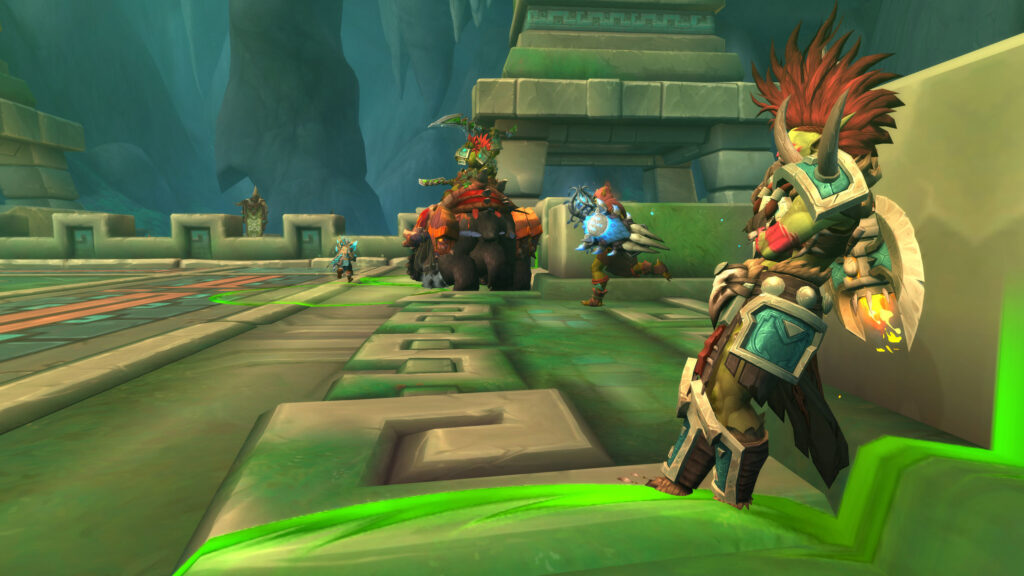
The difference between a good player and a master is knowing *what* to stop. Every dungeon has specific mobs with “Key Abilities” that determine the success of a pull. For example, if a mob is casting a “Bolstering” shout or a massive health-drain, that cast must be stopped at all costs. You should mentally categorize every mob in a pack: which one needs a kick, and which one needs a stun? By assigning your “Stops” to the most lethal un-kickable spells, you turn a chaotic brawl into a controlled mechanical execution.
The Strategic Use of Knocks and Disorientates
The final phase of stop mastery involves using “soft” CC like knocks (Typhoon, Ring of Peace) or disorientates (Sigil of Misery). These are often superior for “Ghost-Stopping”—disrupting a mob’s positioning without triggering heavy diminishing returns on your main stuns. Use these tools to push mobs into the tank’s cleave range while simultaneously cancelling their dangerous casts. This dual-purpose utility is the hallmark of an elite raider. Integrating these disruption habits into your routine ensures that you are always the one in control of the pack’s lethality. Master the stop, and you master the dungeon.
Conclusion: Control Through Disruption
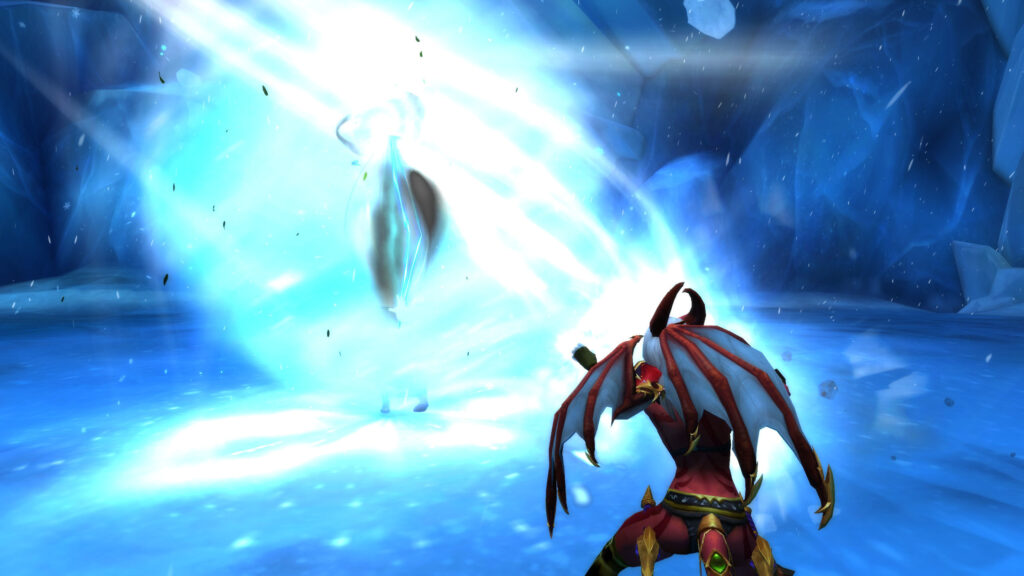
Dungeon stops reward the observant and the quick-thinking player. By prioritizing hard CC for un-kickable casts and managing diminishing returns, you nullify the most dangerous threats in the game. Integrating these disruption habits into your routine ensures that your group stays healthy and focused, providing a stable path to victory through superior tactical crowd control in the Exclusion Zone.